What Can a Residential Plumber Help Me With?

August 19, 2025

Residential plumbers provide essential services that keep home plumbing systems operating safely and efficiently. Whether you're building, remodeling, or dealing with a sudden leak, a residential plumber can handle a wide range of tasks. Their expertise spans everything from water heater installation to drain cleaning, offering both preventative maintenance and emergency repairs. They also help homeowners make smart upgrades, conserve water, and avoid costly damage from undetected leaks. With specialized tools and knowledge of local codes, residential plumbers play a vital role in maintaining the long-term value, comfort, and functionality of your home. Here's a breakdown of the key areas where these professionals are most valuable.


Plumbing System Installation for New Homes

When building a new home, plumbing installation is a foundational element. A residential plumber designs and implements a plumbing system suited to your home's layout and local code requirements. They install water lines, drainpipes, and essential equipment like water heaters and filtration systems. Their work ensures water flows efficiently throughout the home, providing long-term value and functionality.


Residential plumbers also incorporate energy-efficient fixtures and future-ready technologies. According to the EPA, 10% of homes have leaks that waste 90 gallons or more per day. Proper installation by a professional plumber helps minimize this kind of water loss from the outset, protecting both your utility budget and the environment.


Renovation Upgrades

During home renovations, especially kitchen and bathroom remodels, plumbing systems often require reconfiguring. A residential plumber works alongside contractors to install new fixtures, move pipes, and ensure updated areas meet building standards. Their expertise helps avoid costly mistakes and ensures the updated systems function reliably for years to come.


Residential plumbers can also recommend efficient, modern fixtures that reduce water usage. These upgrades increase home value while improving comfort and sustainability. By ensuring everything is up to code and leak-free, they help homeowners avoid regulatory issues and water damage down the road.


Outdoor Installation

Outdoor spaces often benefit from plumbing, especially for irrigation systems, pools, or outdoor kitchens. A residential plumber ensures outdoor lines are properly installed and protected from the elements. This includes outdoor faucets, sprinkler systems, and even rainwater collection setups that promote eco-conscious water use.


These installations require thoughtful planning to withstand seasonal temperature changes and prevent leaks. Residential plumbers use materials and methods suitable for outdoor use, helping extend the system's life while preventing water waste.


Water Heater Maintenance

Installing a water heater involves more than just connecting pipes. A residential plumber ensures the selected unit meets the household's hot water needs and adheres to local safety codes. Whether installing a traditional tank model or a tankless unit, they consider usage patterns, home size, and energy efficiency ratings.


Ongoing maintenance is just as important. Residential plumbers flush tanks to remove sediment buildup, check for corrosion, and inspect valves. Regular checkups extend the water heater's lifespan and help reduce energy costs over time.


Septic Tank Issues

Septic systems are common in rural or off-grid areas and require precise installation. A residential plumber ensures proper placement, factoring in soil type, household usage, and distance from water sources. Their work must meet strict health and environmental regulations to prevent contamination.


Plumbers also perform routine septic tank maintenance, checking for leaks or blockages and ensuring the system can handle the household's current needs. Upgrading to more efficient or eco-friendly systems is another area where they provide valuable advice and technical know-how.


Leak Repairs

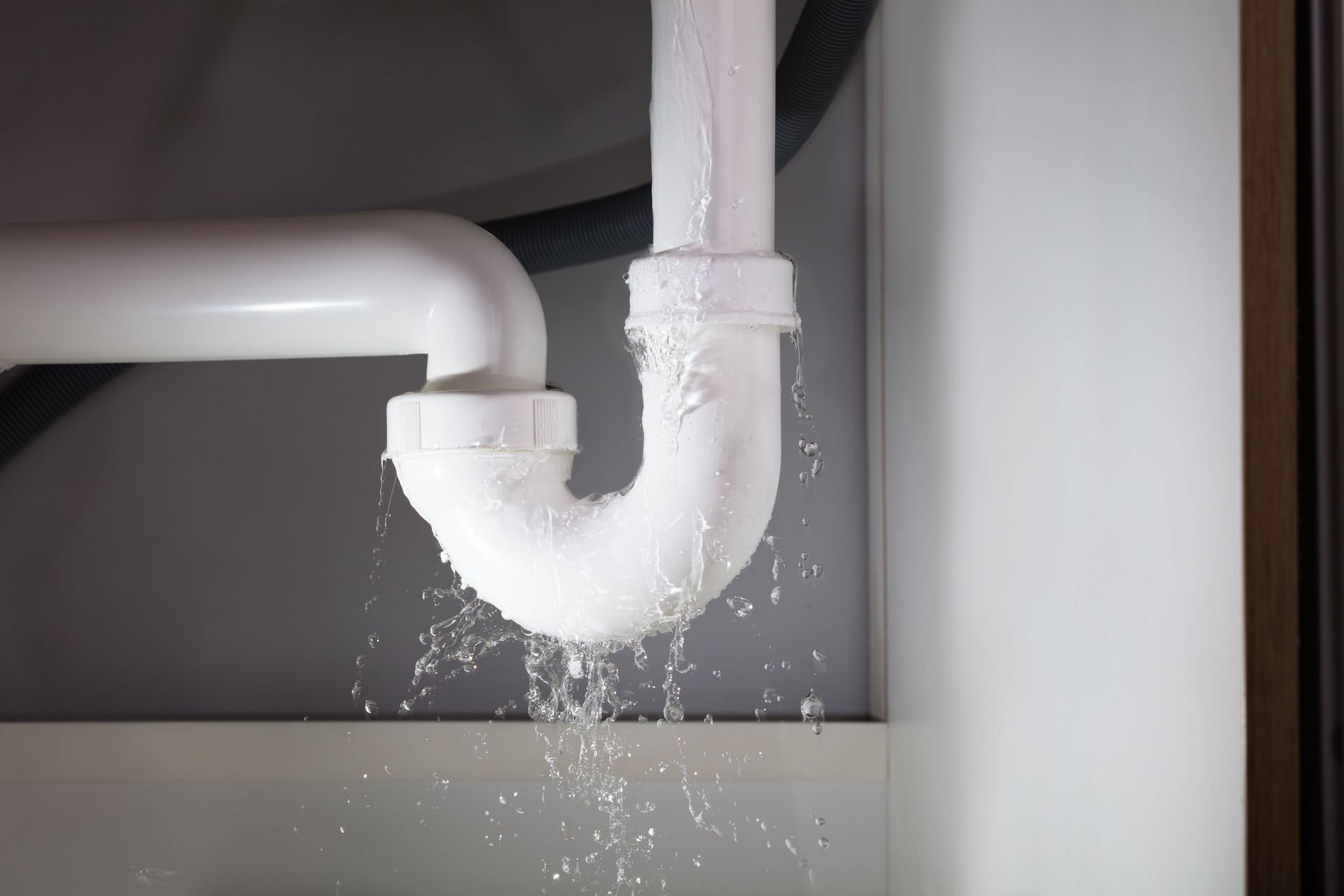
Leaky pipes and dripping faucets might seem minor but can lead to extensive water waste and home damage. According to the EPA, one in ten homes waste upwards of 90 gallons of water each day in leaks. A residential plumber identifies the source quickly and performs lasting repairs.


Beyond fixing leaks, they assess the condition of the plumbing system as a whole, often recommending pipe replacements or fixture upgrades to prevent future issues. Regular leak inspections by a residential plumber are an effective way to protect your home from water damage and high utility costs.


Water Heater Malfunctions

Over time, water heaters can lose efficiency or malfunction due to sediment buildup or wear and tear. A residential plumber provides diagnostic services to pinpoint issues like insufficient heating, strange noises, or water discoloration.

They also determine whether it's more cost-effective to repair or replace the unit. When replacement is needed, they guide homeowners through options and handle the safe, code-compliant installation of new energy-efficient models that can lower utility bills.


Clogged Drains

Blocked drains are one of the most frequent plumbing issues homeowners face. A residential plumber uses tools like drain snakes or hydro jetting equipment to remove clogs caused by grease, hair, or other debris.


For recurring problems or clogs deep within the sewer line, plumbers use video inspection tools to identify damage or root intrusion. Preventative drain cleaning helps keep the system flowing smoothly and reduces the risk of future backups or flooding.


Toilet Repairs

Toilets can develop leaks, clogs, or flushing issues that waste water and increase bills. A residential plumber quickly identifies malfunctioning parts and replaces them with high-quality components that ensure efficient operation.

If a toilet is outdated or inefficient, plumbers can recommend modern low-flow models that reduce water usage. Replacing a toilet can also help prevent damage from leaks or hidden cracks that may be difficult to detect without professional help.


Routine Maintenance

Preventative maintenance is one of the best services a residential plumber can offer. Regular inspections reveal small issues before they become costly repairs. Plumbers check water pressure, inspect pipes, test shut-off valves, and ensure that all fixtures are functioning properly.


Homeowners benefit from scheduled maintenance because it extends the life of plumbing systems, reduces emergency repairs, and ensures safe, efficient water delivery. Residential plumbers also advise on winterization, water-saving practices, and system upgrades.


Emergency Services

Plumbing emergencies like burst pipes, sewer backups, or flooded basements require fast action. A residential plumber offers 24/7 emergency services to minimize damage and restore normal operation. Their quick response protects the structural integrity of the home and helps avoid costly water damage restoration.

Plumbers not only fix the immediate problem but also investigate the root cause to prevent it from happening again. After emergencies, they often provide advice on preventive upgrades such as pipe insulation or pressure regulation devices.


Specialty Installations

Many homeowners are upgrading their plumbing with modern technology such as smart leak detectors, touchless faucets, and whole-house water filtration systems. A residential plumber can help select and install these features to improve convenience, safety, and efficiency. They also assist with specialized setups like water softeners, sump pumps, or greywater recycling systems. These additions enhance sustainability and improve water quality, especially in regions with hard water or drought concerns.


Whether it's a simple repair or a major upgrade, working with a licensed residential plumber ensures the job is done right the first time. Their experience, tools, and code knowledge protect your investment and give you peace of mind. From leak detection to water heater installation, a residential plumber helps maintain the safety, efficiency, and comfort of your home. These preventative services alone can save homeowners thousands in future repairs while supporting eco-friendly water usage habits. For locally owned, reliable plumbing experts deeply rooted in the community, contact ABC Drain & Plumbing today!
What Can a Residential Plumber Help Me With?
residential plumbers
November 13, 2025
Trust experienced residential plumbers to handle all your home’s plumbing needs. Our skilled team repairs, installs, and maintains systems with reliable care.
November 13, 2025
Partnering with professionals for sump pump repairs guarantees that your pump continues to perform at peak capacity, safeguarding your home effectively.
November 11, 2025
Understanding the importance of maintaining your home's plumbing system is crucial for preventing sewer line backups. One effective preventive measure is hydro-jetting, an advanced cleaning technique. This method uses high-pressure water to thoroughly clean pipes, remove built-up debris, and eliminate blockages, helping to extend the life of your plumbing and reduce the risk of costly repairs in the future. Understanding Sewer Line Backups Sewer line backups can occur for various reasons, often caused by the buildup of debris, grease, or foreign objects that obstruct the flow in your plumbing system. Sometimes, tree roots infiltrate sewer lines through small cracks, causing severe blockages over time. Additionally, older pipes made of materials like clay or cast iron are prone to deterioration and collapsing, which can also lead to significant blockages. Flushing inappropriate items such as wipes, feminine products, or other non-degradable materials further exacerbate these issues. Regular maintenance can help identify and address these causes before they become serious problems. The occurrence of backups is not only inconvenient but can also escalate into considerable health and property risks if left unresolved. Pathogenic microorganisms such as bacteria and viruses thrive in stagnant wastewater, posing disease risks to home inhabitants. Furthermore, the backup of wastewater can cause moisture accumulation, leading to mold growth, which exacerbates respiratory issues. Damages resulting from sewer backups can be extensive, affecting not just the piping system but also flooring, walls, and personal belongings. Insurance claims for sewer backups are often complex, taking time and effort for resolution. Traditional methods of fixing sewer line issues include the use of snaking tools or chemical cleaners, which might provide temporary relief but do not address the root cause. In contrast, modern solutions like hydro-jetting offer a more thorough approach by completely removing blockages and cleaning the inner surfaces of pipes. While snaking merely punctures blockages, hydro-jetting uses high-pressure water to flush them away entirely. This approach can save homeowners from recurring issues and reinforces the importance of preventive maintenance. With consistent care, homes can avoid potential disasters and maintain plumbing functionality. What is Hydro-Jetting? Hydro-jetting is an advanced cleaning method used to clear clogged or obstructed sewer lines using high-pressure water streams. The process involves inserting a hose fitted with a specialized nozzle into the sewer line, where it emits water at pressures as high as 4000 PSI. This intense pressure effectively breaks up tree roots, emulsifies grease, and washes away other obstructions. The comprehensive cleaning action not only removes current blockages but also prevents new debris from adhering to pipe walls. As a preventive measure, hydro-jetting can help maintain the health and efficiency of the entire plumbing system. The equipment used in hydro-jetting includes a machine with a high-pressure water pump and a variety of nozzles designed for different cleaning tasks. Technicians operating this equipment are trained to adjust the water pressure according to the condition of the pipes to avoid damages. Innovations in technology have further enhanced the efficiency of hydro-jetting, making it suitable for diverse pipe materials and configurations. With these advancements, hydro-jetting has become a preferred option in maintaining both residential and commercial plumbing systems. Furthermore, its efficiency is reflected in market growth predictions, the hydro-jetting services market was valued at approximately $1.5 billion in 2022 and is expected to grow to around $2.7 billion by 2030, according to Verified Market Reports. Compared to other cleaning methods, hydro-jetting stands out for its ability to thoroughly clean pipes without the use of harsh chemicals. Traditional snaking can sometimes result in partially cleared blockages that leave residue behind, allowing issues to reoccur. In contrast, hydro-jetting's power ensures a deep cleaning, minimizing the risk of future clogs. This efficiency translates to long-term cost savings for homeowners, reinforcing the decision to invest in regular hydro-jetting services. As an environmentally friendly option, it avoids the disposal concerns associated with chemical cleaners, contributing to a sustainable lifestyle. The Advantages of Regular Hydro-Jetting Regular hydro-jetting can significantly enhance the longevity of your plumbing pipes by effectively removing corrosive residues and preventing the accumulation of destructive materials. With regular cleanings, the integrity of the pipes remains uncompromised, reducing the likelihood of fractures or leaks that necessitate costly repairs. This maintenance technique acts as a protective measure, preserving pipes made of varying materials, including older systems made of clay or cast iron. By extending the lifespan of the plumbing, homeowners can avoid the hassle and expense of premature pipeline replacements. As a long-term investment, regular hydro-jetting offers economical benefits by ensuring durable infrastructure. Pipe longevity is further enhanced by preventing the build-up of chemicals and gases that often corrode metal piping over time. Traditional methods that involve chemical drain cleaners may solve issues temporarily but also contribute to degradation. Hydro-jetting offers a chemical-free alternative, utilizing only high-pressure water to address blockages, reducing the potential for damage. This comprehensive cleaning approach minimizes risks, thereby prolonging the effective service life of the entire plumbing system. Additionally, by maintaining optimal pipe conditions, the overall system performs more efficiently. For homeowners, investing in the longevity of their plumbing translates to increased property value. Observing routine hydro-jetting demonstrates active care for the essential systems within the home, reassuring potential buyers of the property's condition. Alongside visible improvements in function, such preventative measures offer peace of mind regarding the home's infrastructure. Such benefits build confidence in the home's sustainability and operational efficiency, appealing to future markets. Thus, the advantages of regular hydro-jetting make it an excellent choice for wise homeowners seeking to enhance both their home's value and reliability. Signs Your Home May Need Hydro-Jetting If you notice that water is draining slowly in your sinks, tubs, or toilets, it may be a sign that your home is due for hydro-jetting. This common issue often indicates blockages building up somewhere in the plumbing system. Even after manual efforts like plunging or using drain cleaners, persistent slow drainage suggests the obstruction is deep within the pipes. Hydro-jetting can resolve such issues by thoroughly cleaning the pipes and restoring efficient water flow. Addressing these signs early can prevent more severe blockages that might result in inconvenient backups or costly repairs. Slow drains can also be an indicator of broader systemic issues affecting multiple parts of the plumbing infrastructure. Often, slow drainage exists simultaneously across several outlets in the home, meaning a comprehensive approach is necessary. Hydro-jetting serves as an ideal solution due to its ability to tackle substantial clogs that affect the main sewer line. This cleaning process removes accumulated waste and debris that ordinary cleaning methods cannot reach. Incorporating hydro-jetting into your maintenance routine can preempt major plumbing disruptions and improve long-term system performance. Regularly experiencing slow drains deserves attention as it correlates with potential health risks associated with sewer line backups. Standing water in pipes can harbor bacteria and mold, presenting both health and sanitation concerns. Beyond hydro-jetting's benefits of clearing clogs and odors, it also offers a cleaner environment, crucial for maintaining a healthy household. Regular hydro-jetting is a critical preventative measure to ensure the smooth operation of your home's plumbing system. By understanding the process and benefits, and knowing when to seek professional help, homeowners can protect their properties from costly sewer backups. Embrace regular hydro-jetting for peace of mind and a healthy household environment. Don't wait for a backup to remind you. Schedule your professional hydro-jetting service with ABC Drain & Plumbing today and keep your plumbing running flawlessly. Contact us now to protect your home and enjoy worry-free water flow!
More Posts →