May 4, 2026
Detecting hidden water leaks in your home is vital for preventing structural damage and high water costs. Undetected leaks can lead to mold growth, weakened foundations, and inflated utility bills. By understanding their causes and identifying early warning signs, homeowners can protect their property and conserve water. This guide explores practical methods for locating leaks, inspecting common areas, and using modern tools to maintain an efficient and safe plumbing system. Awareness and timely action not only save money but also promote responsible water usage, an increasingly important consideration in today’s climate.
Common Causes of Hidden Water Leaks
Aging Plumbing
Older plumbing systems often develop tiny leaks due to corrosion, sediment buildup, or worn materials. These leaks may go unnoticed until they cause significant damage. Routine inspections, timely repairs, and replacing aging pipes are crucial for preventing costly water damage. Homeowners should also consider periodic professional evaluations, which can identify vulnerabilities that are not apparent to the untrained eye.
Poor Construction
Leaks can stem from improperly installed plumbing or low-quality materials. Pipes not securely fastened or connected may develop small fissures that are hard to detect. Hiring qualified professionals for plumbing installation reduces the risk of hidden leaks and water waste. Additionally, reviewing building plans and inspecting work during construction ensures long-term reliability and reduces the likelihood of future problems.
High Water Pressure
Excessive water pressure can stress pipes, joints, and valves, resulting in small leaks over time. Installing pressure regulators helps maintain optimal levels, protecting your plumbing system and extending its lifespan. High pressure can also increase wear on faucets, showerheads, and appliances, making regular monitoring essential for overall system health.
Weather and Ground Movement
Freezing temperatures, heavy rainfall, or shifting soil can damage pipes. Cold weather may freeze and burst pipes, while ground movement can misalign or crack plumbing. Insulating pipes and monitoring structural changes around the home can prevent leaks caused by these conditions. In areas prone to earthquakes or frost heaves, homeowners should perform seasonal inspections to ensure pipes remain secure and intact.
Early Warning Signs of Leaks
Rising Water Bills
A sudden increase in your water bill may indicate a hidden leak. Tracking monthly usage and comparing it to past bills can reveal leaks before they escalate into serious damage. Maintaining a log of water consumption also helps identify trends that may suggest small, persistent leaks over time.
Low Water Pressure
Leaks reduce water flow, resulting in low pressure from faucets or showers. Identifying these drops early can help locate the source before it worsens. Low pressure may also indicate a partially blocked pipe, another factor contributing to plumbing inefficiency that should not be ignored.
Mold, Mildew, and Damp Walls
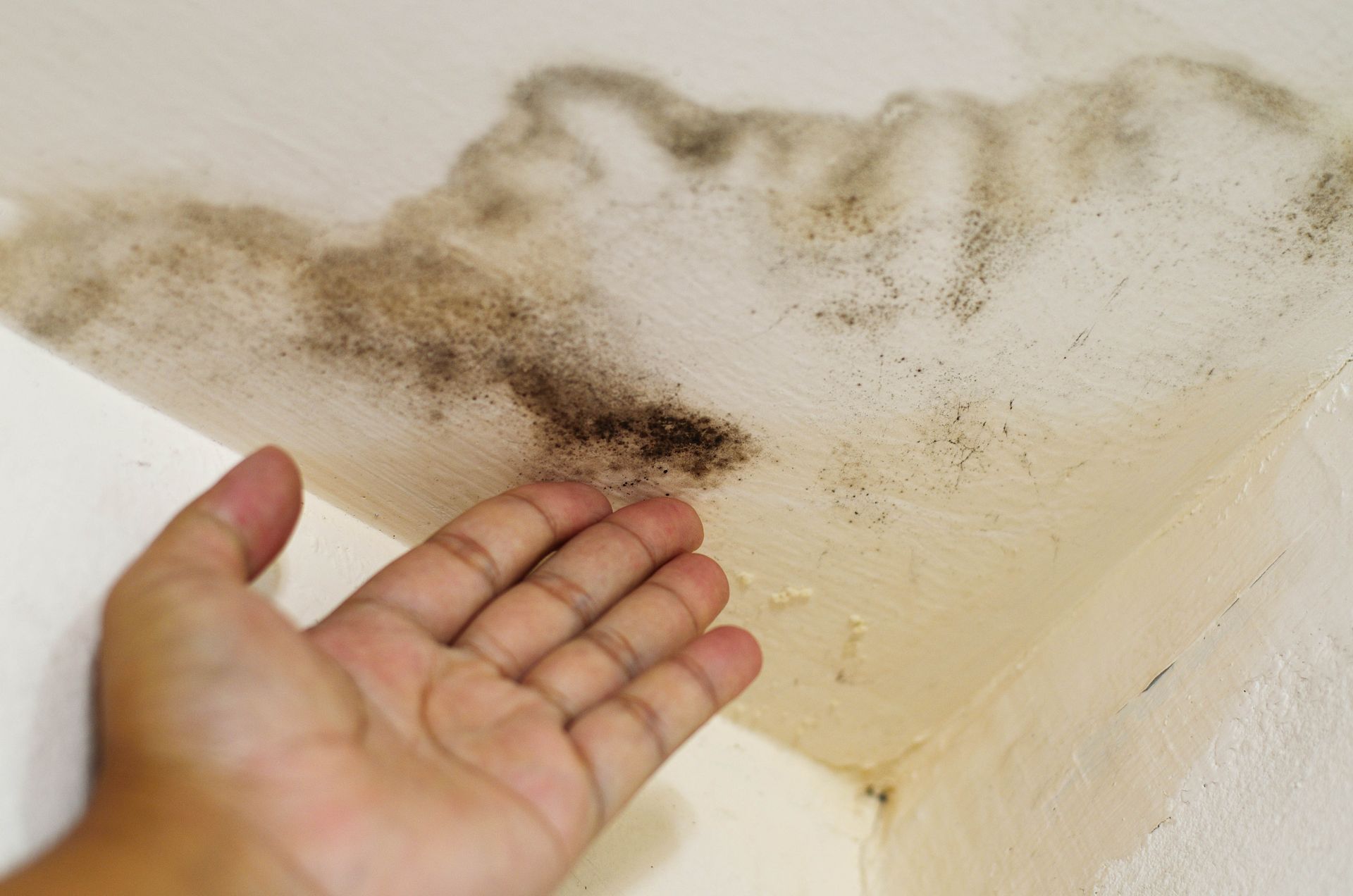
Moisture caused by leaks fosters mold and mildew growth, often visible on walls, ceilings, or floors. Discolored or warped surfaces suggest water intrusion, requiring prompt repair to prevent health risks and structural damage. Mold remediation is only a temporary solution without addressing the underlying leak, so detection and repair are critical.
Unusual Pipe Sounds
Hissing, dripping, or running water noises when no fixtures are in use often indicate leaks. Acoustic detection or professional inspection can help pinpoint hidden issues. These subtle sounds may be the earliest sign of a plumbing problem, allowing homeowners to act before damage spreads.
Simple Meter Test
Turn off all water, check the meter, and monitor it for a few hours. Any change in readings suggests a leak somewhere in your plumbing system. Repeat the test periodically to ensure your plumbing remains leak-free over time.
Bucket Test
Measure water input over a set period and compare it to meter readings. Discrepancies can indicate minor leaks, enabling early detection before damage spreads. This method is particularly effective for verifying suspected leaks in specific areas like kitchens or bathrooms.
Advanced Meter Techniques
Modern smart meters provide digital monitoring and leak alerts, allowing homeowners to detect issues in real time. Some systems also track trends, helping predict potential plumbing failures before they happen. Investing in advanced technology ensures consistent oversight of household water usage.
Inspecting Common Leak Areas
Under Sinks
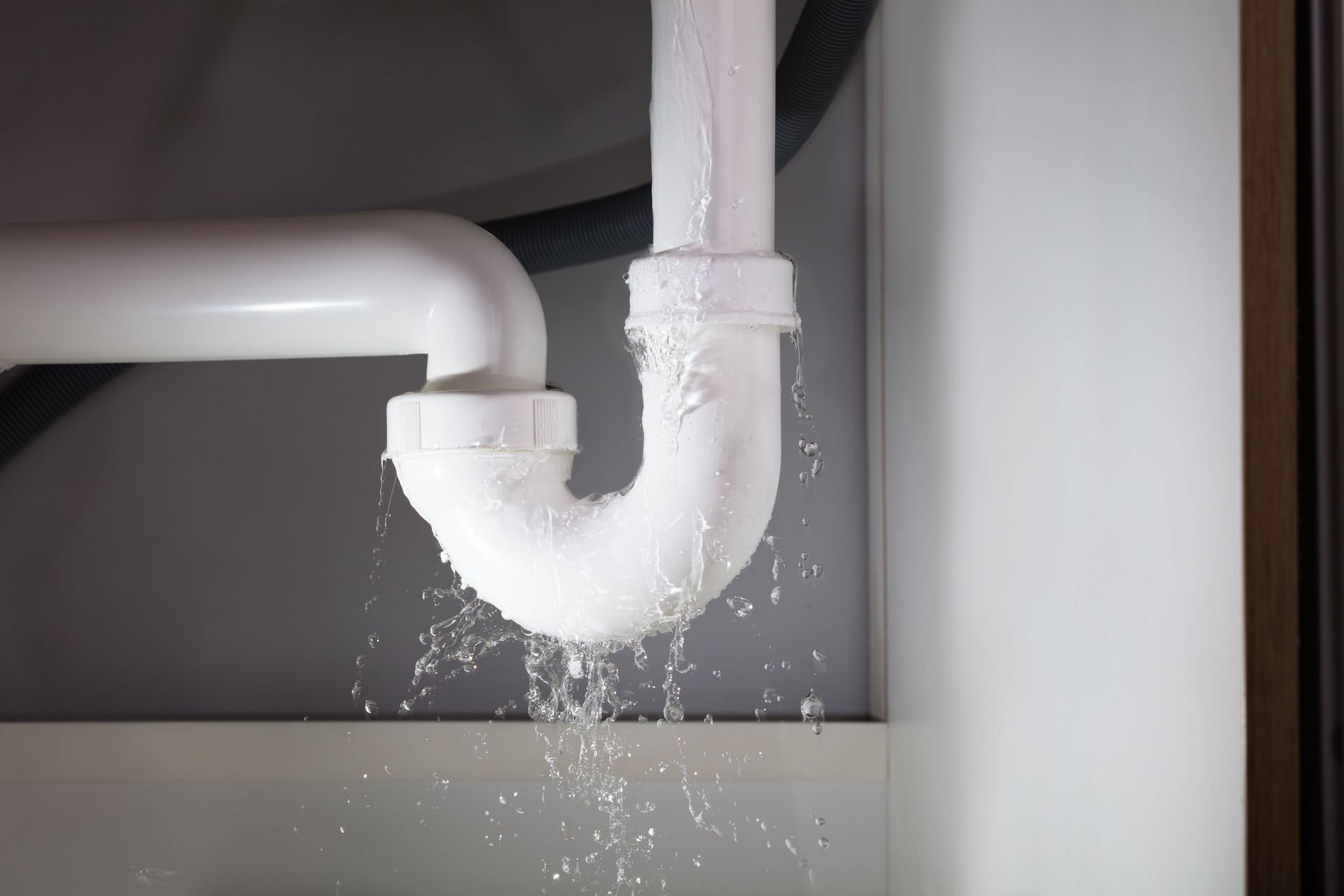
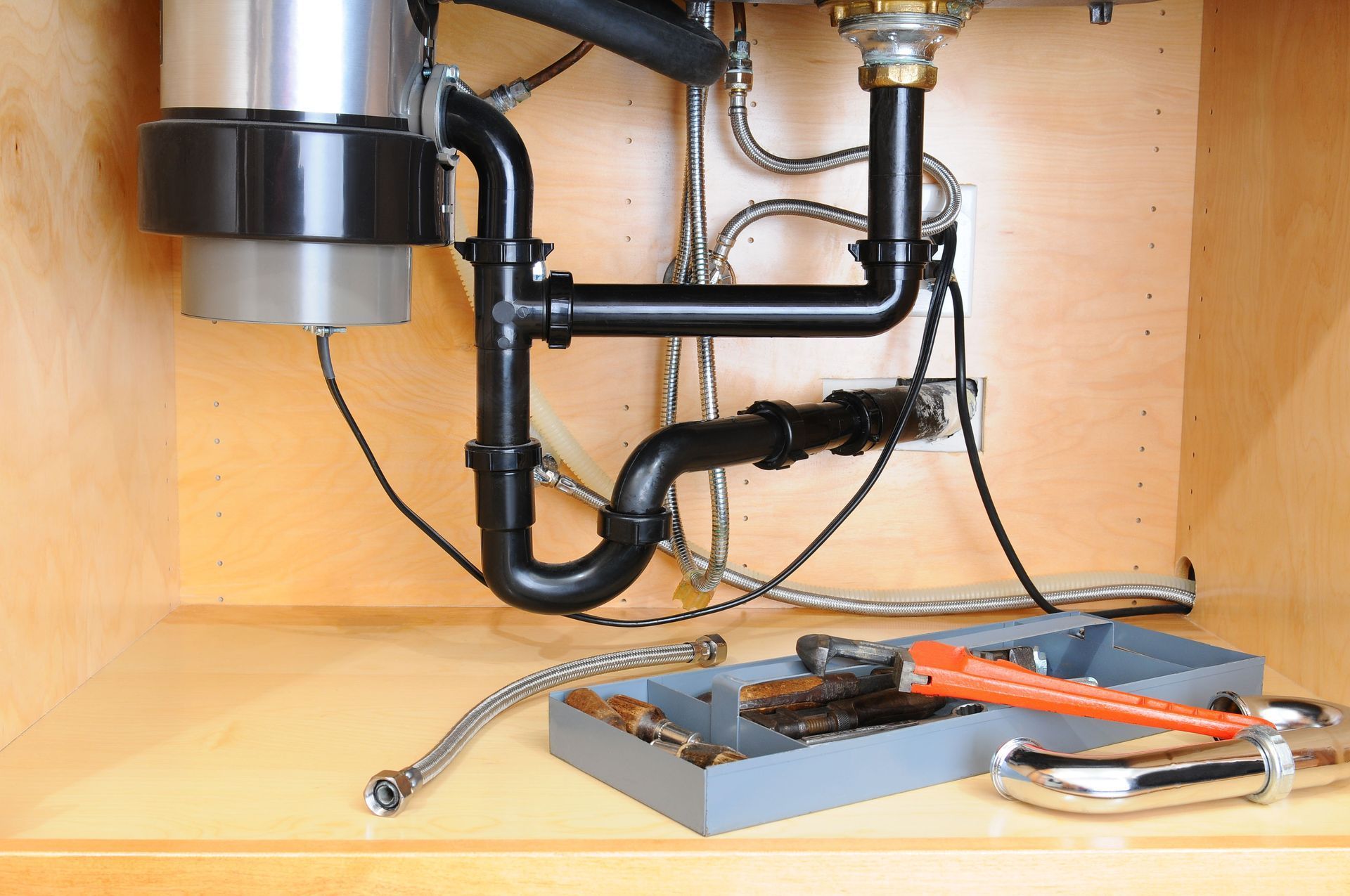
Check drains, supply lines, and valves for drips or moisture. Small leaks here can waste water and damage cabinets and flooring. Using quick visual inspections and touch checks regularly can prevent costly repairs.
Basements and Crawl Spaces
Hidden leaks often appear in basements or crawl spaces due to groundwater infiltration. Regular inspection for dampness, musty odors, or mold is essential. Installing dehumidifiers in these areas can reduce moisture levels and prevent leaks from escalating into major issues.
Toilets and Fixtures
Toilets and faucets are frequent leak sources. A running toilet can waste hundreds of gallons daily. Inspecting and maintaining flappers, seals, and valves helps prevent water loss. Routine checks combined with timely repairs ensure your plumbing system operates efficiently and minimizes unnecessary water waste.
Roof and Gutters
Damaged shingles, flashing, or clogged gutters may lead to hidden leaks inside ceilings and walls. Regular roof inspections, especially after storms, prevent water intrusion and structural damage. Proactive maintenance extends the lifespan of your roof and reduces the chance of emergency plumbing repairs due to leaks.
Outdoor Plumbing
Sprinkler systems, spigots, and hoses can develop leaks unnoticed. Seasonal checks and winterization prevent freeze damage and maintain efficient water distribution. Monitoring irrigation systems for wet spots or low water pressure helps detect leaks before they affect landscaping or wastewater.
Technology and Tools for Leak Detection
Infrared and Moisture Detection
Infrared cameras detect temperature differences that indicate moisture, while moisture meters measure hidden wetness in walls or flooring. Both tools help locate leaks without invasive measures, providing precise insights that manual inspection might miss.
Professional Leak Detection
Experts use advanced equipment like thermal imaging and pressure testing to locate hidden leaks that are difficult to find. Professional services provide accurate diagnosis and repair guidance, saving time and money in the long run. Combining professional services with personal vigilance ensures the best outcomes for home plumbing care.
Preventive Measures
Regular Plumbing Maintenance
Routine inspections, immediate repairs of minor leaks, and monitoring water pressure help maintain the integrity of your plumbing system. Preventive maintenance reduces unexpected repair costs and prolongs system life. It also ensures optimal water efficiency, reducing environmental impact and utility expenses.
Household Education and Vigilance Educating family members about monitoring water usage and turning off faucets properly supports leak prevention. According to Jobber, a single dripping faucet has the potential to waste as much as 3,000 gallons of water annually, highlighting the necessity of attentive plumbing habits. Teaching children and other household members to recognize warning signs ensures a proactive approach to water conservation.
Water Pressure Regulators and Pipe Insulation
Regulators prevent stress on pipes from high pressure, while insulation and sealing protect against freezing or burst pipes. Proper winter preparation and insulation of unheated areas reduce the risk of temperature-related leaks, especially in colder climates.
Detecting hidden leaks early protects homes from costly damage and conserves water. By monitoring water usage, inspecting vulnerable areas, using modern tools, and maintaining plumbing regularly, homeowners can prevent significant water loss. Combining vigilance, preventive measures, and technology ensures a secure, efficient, and environmentally responsible home. Ultimately, investing time in proper plumbing care saves money, preserves resources, and maintains a safe living environment for years to come. For more information about plumbing , contact ABC Drain & Plumbing today. Our team is ready to assist you