April 9, 2026
In our homes, plumbing systems are vital yet often overlooked. Without them, our daily routines would grind to a halt. Old or damaged pipes can lead to serious issues, including water contamination and structural damage. Hence, it's essential to recognize when it's time to replace these crucial components of your home. This article outlines key signs suggesting the need for new plumbing pipes.
Section 1: Discolored Water
Subsection 1: Causes of Discoloration
Discolored water is a common indicator of plumbing issues. It often signals the presence of rust within aging pipes, especially if you notice shades of yellow or brown. This condition might occur due to oxidation in iron pipes, creating rust particles that enter the water supply. Alternatively, the discoloration might stem from disturbances in the main city water line. Regular maintenance and system inspections can help to catch such potential issues early on.
Subsection 2: Health Implications
Contaminants in discolored water can pose serious health risks. Rust particles, although not typically harmful in small amounts, can lead to other impurities infiltrating your water supply. More concerning are signs of greenish hues, often indicative of copper or brass pipe erosion. These elements in significant quantities could lead to gastrointestinal distress or other health problems. Understanding and addressing these issues promptly is crucial for household safety.
Subsection 3: Short-term vs Long-term Discoloration
Short-term discoloration might not always indicate severe issues, as it can be the result of temporary disturbances. For instance, municipal maintenance or fire hydrant usage might disrupt the water system briefly. Long-term discoloration, however, warrants attention. Persistent water quality issues usually suggest underlying pipe damage or corrosion. Monitoring the consistency and duration of discoloration is vital in diagnosing plumbing health.
Subsection 4: Solutions for Discolored Water
Addressing discolored water begins with a comprehensive inspection of your home's plumbing system. Replacing galvanized iron pipes with materials less prone to corrosion, such as copper or PEX (cross-linked polyethylene), might be necessary. According to HomeGuide, PEX pipes can last 30 to 40 years and cut your material costs almost in half. This solution minimizes future risks of discoloration and extends the lifespan of your plumbing. Combining pipe updates with a water filtration system ensures cleaner, safer water for your household.
Section 2: Frequent Leaks
Subsection 1: Identifying Persistent Issues
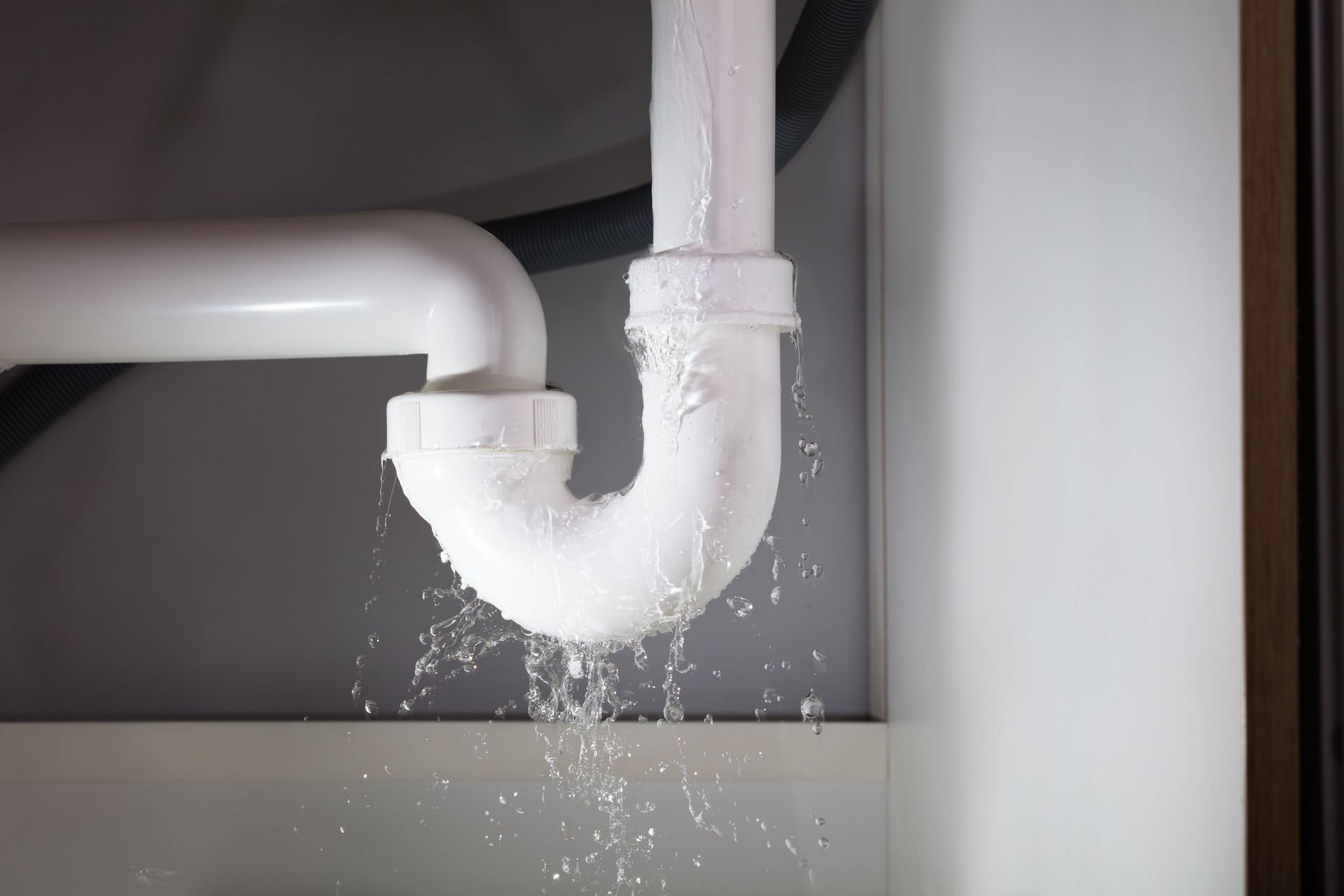
Frequent leaks are a common symptom of aging or damaged plumbing. These leaks can occur at joints, from corrosion or from overall structural weakening of pipes. It's crucial to identify recurring patterns or specific areas that consistently experience issues. Ignoring frequent leaks can lead to more severe damage, such as water infiltration into walls and foundations. Therefore, regular inspections and maintenance routines are essential to identify and resolve these issues early.
Subsection 2: Impact on Water Bills
A spike in water bills can be an overarching sign of leaking pipes. Leaks lead to water wastage, which means higher consumption that's reflected in your monthly expenses. Significant bill increases, especially without changes in usage patterns, usually indicate underlying piping problems. Detecting and resolving any leaks not only conserves water but can substantially reduce utility expenses. Monitoring water meter readings can help detect leaks early, preventing larger financial burdens.
Subsection 3: Common Leak Locations
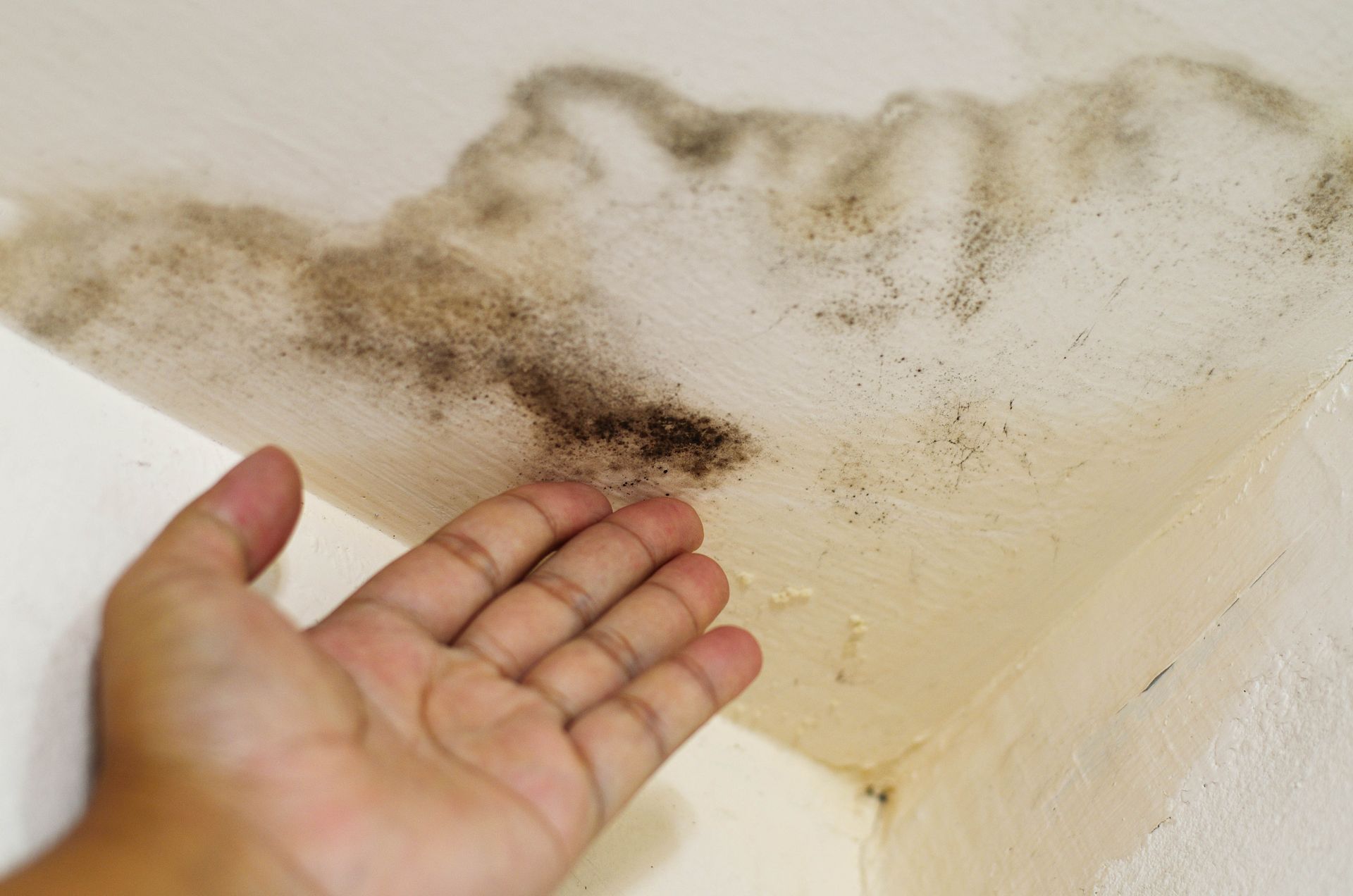
Leaks can occur in numerous spots in your home plumbing system. Common locations include under sinks, behind toilets, or within walls and foundations. These leaks may manifest as water stains, mold growth, or musty odors. Pay close attention to these indicators, especially in older homes where pipe integrity is often a concern. Knowing where to look significantly aids in early detection and effective prevention strategies for further damage.
Subsection 4: Temporary Fixes vs Permanent Solutions
While temporary fixes for leaks might provide immediate relief, they are no substitute for permanent solutions. Quick patches or sealants may briefly halt the flow, but without addressing the root cause, issues will resurface. Incorporating robust materials, such as PEX pipes, reduces leak incidences and offers a long-term fix. Scheduling professional plumbing evaluations ensures solutions are both comprehensive and lasting. Proactive replacements save on future repair costs and add peace of mind.
Section 3: Low Water Pressure
Subsection 1: Understanding Normal Pressure Levels
Normal water pressure is essential for efficient household function. Typically, in residential areas, pressure levels should range between 45 and 80 psi (pounds per square inch). Deviations from this range can impact usability, hindering tasks like showering or washing. Consistently low pressure can indicate systemic issues, from pipe blockages to leaks. Therefore, understanding normal pressure levels helps monitor and maintain optimal water flow throughout the home.
Subsection 2: Common Pressure Issues
Low water pressure is often the result of blockages, leaks, or failing pressure regulator valves. Sediment build-up in pipes restricts flow, while leaks reduce available water volume. Aging systems, in particular, are prone to pressure irregularities as corrosion and mineral deposits accumulate. Regular maintenance is fundamental in identifying and resolving these common pressure-related issues. Employing preventative measures ensures consistent pressure and enhances system longevity.
Subsection 3: Role of Pipe Age in Pressure
The age of plumbing systems can significantly affect pressure levels. Older pipes are more susceptible to corrosion and mineral buildup that restrict water flow. Metal pipes, such as galvanized steel or iron, frequently experience these issues compared to newer materials. Replacing older systems with modern alternatives like PVC or PEX can restore and maintain proper pressure. Proactive upgrades and replacements ensure a reliable, efficient water supply.
Subsection 4: Solutions to Restore Pressure
Improving water pressure often involves mechanical and material-based interventions. Cleaning aerators, replacing clogged fixtures, or installing pressure-boosting pumps can all help. Substantial improvements arise from replacing outdated or defective pipes, such as moving from metal to PEX. Consulting professionals offers detailed insights and assurance of optimal pressure restoration strategies.
Section 4: Visible Corrosion
Subsection 1: Recognizing Corrosion on Pipes
Visible corrosion is a clear indicator of deteriorating plumbing. Rust flakes, discoloration, or a metallic taste in water point to corrosion, especially in older metal pipes. These signs, visible on pipe surfaces or at joints, signify weakening structural integrity needing urgent evaluation. Corroded pipes not only compromise system efficiency but can also lead to subsequent leaks or bursts. Early detection allows for preventative measures and reduces the risk of extensive damage.
Subsection 2: Types of Pipe Materials and Corrosion
Different materials show varying susceptibilities to corrosion. Galvanized steel pipes, for instance, are highly prone to rust over time, while copper offers more durability. PEX and PVC plastics, on the other hand, resist corrosion but may face other material-specific issues. Each type's longevity and resilience are crucial considerations when deciding replacements. Understanding the characteristics assures informed decisions and better plumbing investments.
Subsection 3: Impact of Corrosion on Plumbing
Corrosion can severely undermine the structural integrity of plumbing systems. Over time, rust weakens pipes, increasing the likelihood of leaks, bursts, and contamination. Unchecked corrosion can result in costly repairs, as it often spreads quickly across interconnected systems. This pervasive impact accentuates the need for regular inspections and maintenance. Proactively managing corrosion ensures optimal functionality and extends pipe longevity.
Subsection 4: How to Address Detected Corrosion
Addressing corrosion begins with a thorough inspection to identify affected areas. Replacement of corroded sections with modern materials such as PEX is recommended, given its resistance to rust. Implementing maintenance practices, such as regular cleaning and protective coatings, further mitigates corrosion risks. Experts can offer tailored solutions, enhancing system durability and efficiency. Ultimately, proactive management reduces future vulnerabilities and repair costs.
Replacing old plumbing pipes is crucial for maintaining a safe and efficient home. The signs outlined above guide homeowners in recognizing when intervention is necessary. Addressing issues promptly avoids costly damage and ensures system longevity. Regular inspection and timely replacement ensure the reliability of your plumbing infrastructure. Taking these steps secures peace of mind and the consistent functionality of your household water supply. If you're looking for new plumbing pipes or other plumbing services, contact ABC Drain & Plumbing today.