March 19, 2026
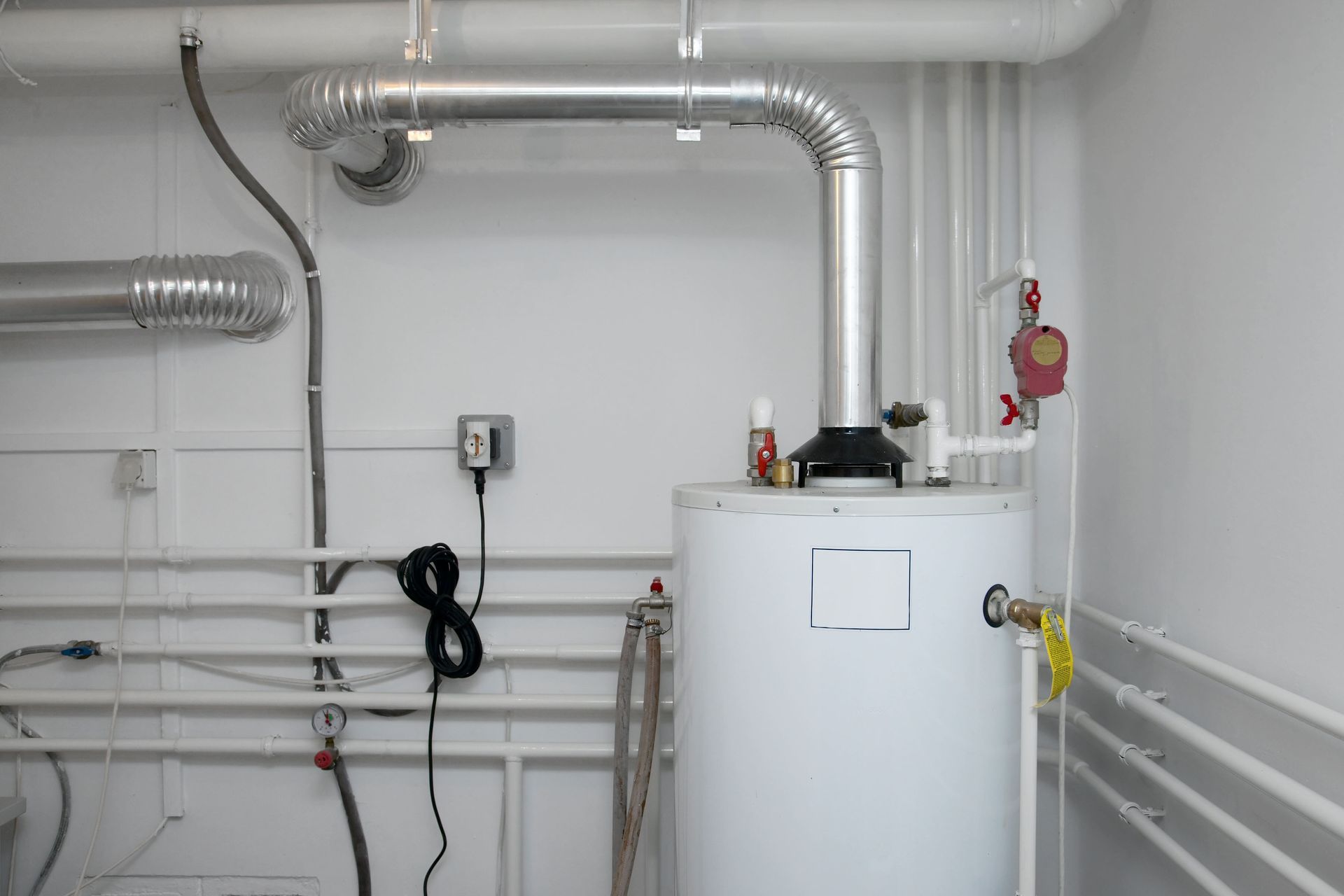
This article will guide you through essential maintenance tips to ensure your water heater operates efficiently and has a prolonged lifespan. Regular maintenance can help prevent unexpected breakdowns and costly repairs. Water heaters are vital to any household, providing comfort and convenience through hot water supply. By investing a little time in maintenance, you can avoid major issues down the line. Let's explore how to keep your water heater in top condition.
1. Regularly Inspect and Test the Temperature and Pressure Relief Valve
1.1 Understanding the Relief Valve Function
The temperature and pressure relief valve on a water heater is a safety feature designed to prevent pressure buildup. Pressure can accumulate as water is heated, potentially causing the tank to rupture. This valve releases excess pressure, safeguarding your home from potential water heater explosions. Understanding its function can highlight the importance of its maintenance. Ensuring this valve works properly is crucial for the safety and longevity of your appliance.
1.2 Safety Precautions When Testing
Before testing the relief valve, ensure the area around the water heater is clear of any objects. Wearing protective gloves and goggles is advisable to avoid injury from hot water. It's also important to turn off the power or gas supply to the heater and run hot water from a tap to lower the water temperature in the tank. These precautions aid in maintaining safety while preventing any accidental damage. Maintaining a careful approach ensures you can evaluate the valve without risking harm.
1.3 How to Properly Test the Valve
Testing the relief valve should be conducted annually to ensure functionality. To test, gently lift the valve lever to allow some water to discharge, then release it to see if it closes properly and stops water flow. If the valve does not open or close correctly, it indicates a malfunction that needs addressing. Proper testing ensures the valve can relieve pressure efficiently, protecting against potential hazards. Regular checks contribute to the overall safety of your water heating system.
1.4 Signs of Valve Malfunction
A malfunctioning valve might exhibit signs such as persistent leaking or inability to open. Other indicators include unusual water discharge or noises emanating from the valve area. It's essential to recognize these signs early to prevent damage. Remedies may include cleaning or replacing the component, depending on its condition. Addressing malfunctions promptly ensures continued protection against pressure buildup.
1.5 Replacing a Faulty Relief Valve
If the relief valve shows signs of failure, replacement is necessary. First, turn off the water heater and drain the tank to a safe level. Remove the old valve with a wrench and install a new one, ensuring it matches the specifications of the previous model. Proper installation is crucial for ensuring the valve's effectiveness and maintaining the water heater's safety. Regular handling of such maintenance tasks can avert costly repairs and extend the appliance's lifespan.
2. Flush the Tank Annually to Remove Sediment Buildup
2.1 Consequences of Sediment Accumulation
Sediment buildup occurs when minerals in the water settle at the tank's bottom, reducing efficiency. Over time, this buildup can create a barrier between the heating element and water, leading to increased energy consumption. The extra strain on the heater can also shorten its lifespan and increase the risk of malfunctions. According to The Spruce, traditional tank water heaters typically have a lifespan of eight to 12 years. Preventing sediment accumulation through regular flushing can help adhere to this expected lifespan.
2.2 Safety Measures Before Flushing
Before beginning the flushing process, it's vital to switch off the power or gas to the heater. Ensure the water supply is turned off to prevent overflow during the flushing. Run a nearby hot water tap to lower the temperature inside the tank, minimizing the risk of burns. These precautions ensure safety and prevent damage to your appliances. Taking appropriate safety measures contributes to an effective and efficient flushing process.
2.3 Step-by-Step Tank Flushing Guide
Begin by attaching a hose to the tank's drain valve, directing the other end to a safe and suitable drainage point. Open the valve to allow water and sediment to escape, observing the water clarity as an indication of cleanliness. Once clear, close the drain valve and remove the hose, refilling the tank before restoring power or gas. This yearly practice can significantly benefit heat exchange efficiency and tank durability. Regular flushing maximizes performance and reduces the operational costs of your water heater.
2.4 Post-Flushing Maintenance Tips
After flushing, it's important to inspect the tank and its components for any visible damage or wear. Make sure the drain valve is sealed properly to prevent leaks. Testing the unit's performance post-drainage ensures that the flushing was successful and no issues in operation have occurred. Maintaining a log of maintenance tasks can aid in future scheduling and troubleshooting. Regular verification after flushing contributes to ongoing efficient appliance functioning.
2.5 Professional Flushing Services
Consider professional services if tackling maintenance seems daunting or if the heater faces complex issues beyond a standard flush. Professionals are equipped with the expertise and tools necessary to handle significant sediment issues. They can also offer personalized advice and recommend additional treatments to optimize heater performance. Hiring professionals might be cost-effective in preventing major failures. Knowing when to seek expert assistance ensures your water heater is in capable hands.
3. Insulate the Heater and Pipes for Energy Efficiency
3.1 Benefits of Insulating Your Water Heater
Insulating your water heater can significantly reduce heat loss and improve energy efficiency. This process retains heat in the tank, reducing the workload on the heater to maintain water temperature. Lower energy consumption translates into reduced utility bills and a smaller environmental footprint. Additionally, insulation can manage condensation issues, lowering the risk of rust and corrosion. By enhancing efficiency, you can also prolong the operational life of your water heater.
3.2 Choosing the Right Insulation Materials
Several materials are available for water heater insulation, including fiberglass, foam, and foil-insulation kits. When selecting materials, consider factors like cost, ease of installation, and effectiveness for your specific model. Insulation blankets or jackets are commonly recommended for their simplicity and effectiveness. Evaluating each material's suitability ensures optimal return on your insulation efforts. Proper material choice can enhance heat retention and minimize operating expenses.
3.3 How to Insulate Your Water Heater
To insulate, wrap the material around your water heater, cutting for accurate fit around wires and plumbing. Avoid covering the top of gas heaters or blocking safety controls and air vents. Secure the insulation using tape or adhesive strips to ensure it stays in place. These steps should be comprehensive to ensure the insulation is effective without compromising safety. Following these guidelines can extend the heater's life by minimizing heat loss.
3.4 Pipe Insulation Techniques
Pipes connected to your heater can also benefit from insulation through pipe sleeves or fiberglass wrap. Sealing pipe joints with insulation tape prevents heat escape further. Insulating pipes is particularly beneficial in unheated areas, protecting against freezing and further losses. This technique improves energy savings by maintaining consistent water temperature until reaching the faucets. Adopting pipe insulation techniques improves the heater's efficiency and reduces energy expenditures.
3.5 Assessing the Effectiveness of Insulation
To measure insulation effectiveness, monitor energy bills or track the heater's operation pre- and post-insulation. A noticeable drop in energy costs or reduced running times indicates successful insulation. Physical inspection of insulation materials for wear or displacement ensures durability and ongoing efficacy. Regular assessments encourage optimal insulation performance and reduce the need for frequent replacements. Consistent evaluation guarantees your water heater operates at peak efficiency.
Regular maintenance of your water heater can save you money, energy, and extend the lifespan of the appliance. Following these tips will help you maintain a healthy and efficient water heater, ultimately ensuring your household has uninterrupted access to hot water. Remember, when in doubt, consulting a professional can prevent further issues and ensure your system is up to code. By staying informed and proactive, you not only extend the life of your water heater but also improve its efficiency. If you need water heater services, contact ABC Drain & Plumbing today.