5 Common Causes of Sump Pump Failures

January 13, 2026

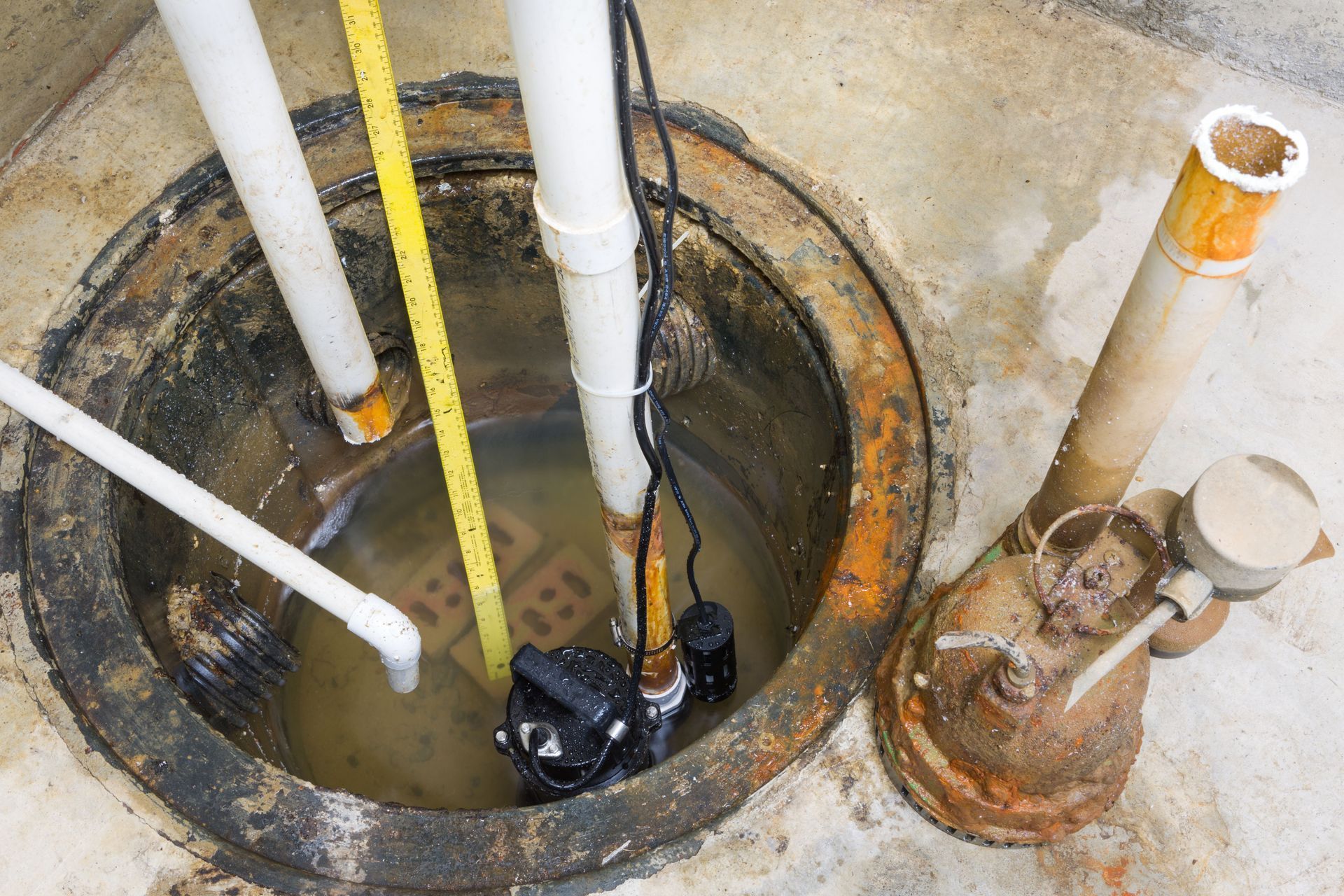
A sump pump plays a crucial role in keeping basements and crawl spaces dry, preventing water damage and costly flooding issues. However, many homeowners overlook regular maintenance until their system fails at the worst possible time. Understanding the common causes of sump pump failures can help prevent these problems and extend the life of your system. Regular inspections, proper installation, and timely sump pump repair are essential to ensuring your home remains protected from unwanted water intrusion. In this article, we’ll explore the most common causes of sump pump failures and provide tips on how to prevent them.


1. Power Outages and Electrical Failures

One of the most frequent causes of sump pump failure is a loss of power. Sump pumps rely entirely on electricity, so when a storm hits or a circuit breaker trips, the system may shut down right when you need it most. To prevent this, homeowners often install a battery backup or generator to keep the pump running during outages. A professional technician can help you choose the right backup solution and ensure it’s properly connected. Regular testing of your electrical system and sump pump power source can help avoid sudden breakdowns when severe weather strikes.


Improper installation is another major cause of sump pump malfunction. If the pump is not positioned correctly or the discharge line is not properly configured, water may flow back into the pit, forcing the pump to work harder than necessary. Incorrectly sized pumps also struggle to handle the volume of water they’re expected to manage. It’s essential to hire a skilled plumbing professional for proper installation and testing. If you suspect installation errors, a sump pump repair service can inspect the system and make adjustments before serious issues develop.


2. Switch or Float Malfunctions

The switch or float mechanism is critical for turning the sump pump on and off as water levels rise and fall. If the float becomes stuck or the switch wears out, the pump may fail to activate when needed. This problem often occurs when the pump shifts out of position in the pit or when debris obstructs the float. Homeowners should occasionally test the float manually to ensure it moves freely. When a switch or float malfunction is discovered, prompt sump pump repair or replacement is the best way to restore reliable operation and prevent flooding.


A sump pump is like any mechanical system—it needs regular maintenance to function efficiently. Over time, dirt, debris, and sediment can accumulate, causing the pump to clog or run less efficiently. Without routine cleaning and testing, your pump could fail without warning. Scheduling periodic inspections, typically once or twice a year, helps identify wear and tear before it becomes a bigger issue. When you invest in regular maintenance or repair, you protect your basement and prevent expensive water damage.


3. Clogged or Frozen Discharge Lines

Clogged or frozen discharge lines can prevent water from exiting the sump pit, forcing it to back up and flood the area. These lines can become blocked by dirt, small stones, or ice during cold weather. Installing a discharge line with a proper slope and using a protective covering or insulation can minimize these risks. Routine inspection and cleaning of the discharge pipe are essential for maintaining a clear water flow path. If you notice sluggish draining or backups, scheduling a pump repair and line cleaning service can help resolve the problem quickly.


When a sump pump is too small for the volume of water it needs to handle, it can become overworked and wear out prematurely. Homes located in areas with high water tables or frequent heavy rainfall may require more powerful or dual sump pumps. Running continuously places excessive strain on the motor, shortening the lifespan of the unit. According to Fixr, sump pumps last anywhere from five to 30 years, with submersible models typically lasting five to 15 years and pedestal types lasting 15 to 30 years. Having the right size pump and scheduling professional sump pump repair when needed ensures your system continues to protect your property efficiently.


4. Blocked or Dirty Sump Pit

A sump pit full of debris can prevent the pump from functioning properly. Mud, sand, or gravel can build up over time, clogging the intake screen or impeller. This makes the pump work harder, increasing the risk of motor burnout. Cleaning the sump pit at least once a year helps maintain efficient operation and prevents unnecessary wear. If your pump is struggling or seems to run constantly, it may be time to have a sump pump specialist clean and inspect the pit for obstructions.


The check valve is a vital component that prevents water from flowing back into the sump pit after being pumped out. If it fails, water recirculates into the pit, forcing the pump to cycle repeatedly. This unnecessary cycling can lead to premature motor failure and increased energy consumption. Replacing a worn check valve is a relatively simple and affordable sump pump repair that can greatly extend your system’s lifespan. Always make sure the check valve is installed correctly and inspected periodically to ensure it’s functioning as intended.


5. Improperly Sealed or Damaged Discharge Pipe

When the discharge pipe develops cracks or leaks, water can escape before it exits the system, reducing efficiency and increasing the risk of water pooling around your foundation. Poorly sealed joints can also allow air to enter the line, weakening the pump’s suction power. Over time, this can lead to pressure problems and potential basement flooding. Inspecting and sealing discharge pipes properly helps prevent leaks and maintain smooth water flow. A professional plumber can identify these issues during a routine sump pump repair visit.


Metal sump pumps are especially vulnerable to rust and corrosion over time, particularly in humid environments or when exposed to hard water. Corrosion can weaken structural components and interfere with moving parts such as the impeller or switch. Using a cover and ensuring adequate ventilation can reduce moisture buildup around the pump. Regular maintenance and cleaning also help extend the pump’s lifespan. If corrosion is already advanced, a replacement may be necessary to restore safe and efficient operation.


Even with the best maintenance, sump pumps eventually wear out. Components such as seals, bearings, and impellers degrade from regular use. As the pump ages, it becomes less efficient and more prone to failure. Routine testing and timely maintenance can help extend the life of your system, but when repairs become frequent, replacement may be the better option. Knowing the average lifespan of your specific pump type helps you plan for upgrades before an unexpected breakdown occurs.


Sump pump failures are often preventable with proper installation, maintenance, and timely professional attention. By understanding the common causes—from electrical issues to worn-out components—you can take proactive steps to protect your home from flooding and water damage. In addition to sump pump repair, ABC Drain & Plumbing proudly offers Water, Sewer, and Gas Line Replacement, Main Drain Cleaning, Sewer and Drain Line Cleaning, Kitchen Plumbing, Bathroom Plumbing, Hydro-Jetting Services, Water Heater Services, and Plumbing Installation Services. With 24/7 Emergency Services, Financing Available, and Free Estimates, our team is ready to keep your plumbing system in top condition year-round. For more information, contact us today!
5 Common Causes of Sump Pump Failures
residential plumbers
November 13, 2025
Trust experienced residential plumbers to handle all your home’s plumbing needs. Our skilled team repairs, installs, and maintains systems with reliable care.
November 13, 2025
Partnering with professionals for sump pump repairs guarantees that your pump continues to perform at peak capacity, safeguarding your home effectively.
November 11, 2025
Understanding the importance of maintaining your home's plumbing system is crucial for preventing sewer line backups. One effective preventive measure is hydro-jetting, an advanced cleaning technique. This method uses high-pressure water to thoroughly clean pipes, remove built-up debris, and eliminate blockages, helping to extend the life of your plumbing and reduce the risk of costly repairs in the future. Understanding Sewer Line Backups Sewer line backups can occur for various reasons, often caused by the buildup of debris, grease, or foreign objects that obstruct the flow in your plumbing system. Sometimes, tree roots infiltrate sewer lines through small cracks, causing severe blockages over time. Additionally, older pipes made of materials like clay or cast iron are prone to deterioration and collapsing, which can also lead to significant blockages. Flushing inappropriate items such as wipes, feminine products, or other non-degradable materials further exacerbate these issues. Regular maintenance can help identify and address these causes before they become serious problems. The occurrence of backups is not only inconvenient but can also escalate into considerable health and property risks if left unresolved. Pathogenic microorganisms such as bacteria and viruses thrive in stagnant wastewater, posing disease risks to home inhabitants. Furthermore, the backup of wastewater can cause moisture accumulation, leading to mold growth, which exacerbates respiratory issues. Damages resulting from sewer backups can be extensive, affecting not just the piping system but also flooring, walls, and personal belongings. Insurance claims for sewer backups are often complex, taking time and effort for resolution. Traditional methods of fixing sewer line issues include the use of snaking tools or chemical cleaners, which might provide temporary relief but do not address the root cause. In contrast, modern solutions like hydro-jetting offer a more thorough approach by completely removing blockages and cleaning the inner surfaces of pipes. While snaking merely punctures blockages, hydro-jetting uses high-pressure water to flush them away entirely. This approach can save homeowners from recurring issues and reinforces the importance of preventive maintenance. With consistent care, homes can avoid potential disasters and maintain plumbing functionality. What is Hydro-Jetting? Hydro-jetting is an advanced cleaning method used to clear clogged or obstructed sewer lines using high-pressure water streams. The process involves inserting a hose fitted with a specialized nozzle into the sewer line, where it emits water at pressures as high as 4000 PSI. This intense pressure effectively breaks up tree roots, emulsifies grease, and washes away other obstructions. The comprehensive cleaning action not only removes current blockages but also prevents new debris from adhering to pipe walls. As a preventive measure, hydro-jetting can help maintain the health and efficiency of the entire plumbing system. The equipment used in hydro-jetting includes a machine with a high-pressure water pump and a variety of nozzles designed for different cleaning tasks. Technicians operating this equipment are trained to adjust the water pressure according to the condition of the pipes to avoid damages. Innovations in technology have further enhanced the efficiency of hydro-jetting, making it suitable for diverse pipe materials and configurations. With these advancements, hydro-jetting has become a preferred option in maintaining both residential and commercial plumbing systems. Furthermore, its efficiency is reflected in market growth predictions, the hydro-jetting services market was valued at approximately $1.5 billion in 2022 and is expected to grow to around $2.7 billion by 2030, according to Verified Market Reports. Compared to other cleaning methods, hydro-jetting stands out for its ability to thoroughly clean pipes without the use of harsh chemicals. Traditional snaking can sometimes result in partially cleared blockages that leave residue behind, allowing issues to reoccur. In contrast, hydro-jetting's power ensures a deep cleaning, minimizing the risk of future clogs. This efficiency translates to long-term cost savings for homeowners, reinforcing the decision to invest in regular hydro-jetting services. As an environmentally friendly option, it avoids the disposal concerns associated with chemical cleaners, contributing to a sustainable lifestyle. The Advantages of Regular Hydro-Jetting Regular hydro-jetting can significantly enhance the longevity of your plumbing pipes by effectively removing corrosive residues and preventing the accumulation of destructive materials. With regular cleanings, the integrity of the pipes remains uncompromised, reducing the likelihood of fractures or leaks that necessitate costly repairs. This maintenance technique acts as a protective measure, preserving pipes made of varying materials, including older systems made of clay or cast iron. By extending the lifespan of the plumbing, homeowners can avoid the hassle and expense of premature pipeline replacements. As a long-term investment, regular hydro-jetting offers economical benefits by ensuring durable infrastructure. Pipe longevity is further enhanced by preventing the build-up of chemicals and gases that often corrode metal piping over time. Traditional methods that involve chemical drain cleaners may solve issues temporarily but also contribute to degradation. Hydro-jetting offers a chemical-free alternative, utilizing only high-pressure water to address blockages, reducing the potential for damage. This comprehensive cleaning approach minimizes risks, thereby prolonging the effective service life of the entire plumbing system. Additionally, by maintaining optimal pipe conditions, the overall system performs more efficiently. For homeowners, investing in the longevity of their plumbing translates to increased property value. Observing routine hydro-jetting demonstrates active care for the essential systems within the home, reassuring potential buyers of the property's condition. Alongside visible improvements in function, such preventative measures offer peace of mind regarding the home's infrastructure. Such benefits build confidence in the home's sustainability and operational efficiency, appealing to future markets. Thus, the advantages of regular hydro-jetting make it an excellent choice for wise homeowners seeking to enhance both their home's value and reliability. Signs Your Home May Need Hydro-Jetting If you notice that water is draining slowly in your sinks, tubs, or toilets, it may be a sign that your home is due for hydro-jetting. This common issue often indicates blockages building up somewhere in the plumbing system. Even after manual efforts like plunging or using drain cleaners, persistent slow drainage suggests the obstruction is deep within the pipes. Hydro-jetting can resolve such issues by thoroughly cleaning the pipes and restoring efficient water flow. Addressing these signs early can prevent more severe blockages that might result in inconvenient backups or costly repairs. Slow drains can also be an indicator of broader systemic issues affecting multiple parts of the plumbing infrastructure. Often, slow drainage exists simultaneously across several outlets in the home, meaning a comprehensive approach is necessary. Hydro-jetting serves as an ideal solution due to its ability to tackle substantial clogs that affect the main sewer line. This cleaning process removes accumulated waste and debris that ordinary cleaning methods cannot reach. Incorporating hydro-jetting into your maintenance routine can preempt major plumbing disruptions and improve long-term system performance. Regularly experiencing slow drains deserves attention as it correlates with potential health risks associated with sewer line backups. Standing water in pipes can harbor bacteria and mold, presenting both health and sanitation concerns. Beyond hydro-jetting's benefits of clearing clogs and odors, it also offers a cleaner environment, crucial for maintaining a healthy household. Regular hydro-jetting is a critical preventative measure to ensure the smooth operation of your home's plumbing system. By understanding the process and benefits, and knowing when to seek professional help, homeowners can protect their properties from costly sewer backups. Embrace regular hydro-jetting for peace of mind and a healthy household environment. Don't wait for a backup to remind you. Schedule your professional hydro-jetting service with ABC Drain & Plumbing today and keep your plumbing running flawlessly. Contact us now to protect your home and enjoy worry-free water flow!
More Posts →